What Is an Open Frame DC DC Converter?
What Is an Open Frame DC-DC Converter?
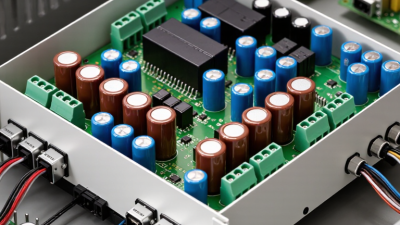
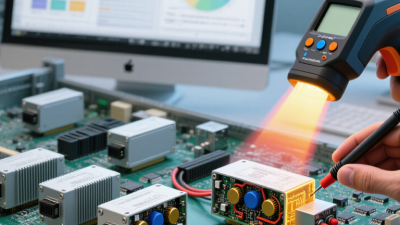
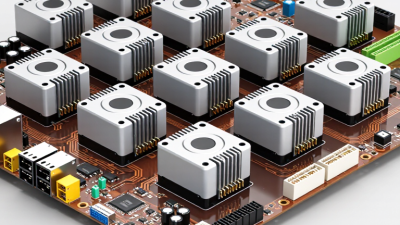
An Open Frame DC-DC Converter is a power module without a protective enclosure. Its circuit board remains visible, exposing terminals, inductors, capacitors, and switching components. This design saves space, lowers weight, and often reduces cost. It also demands greater care during installation.
Inside a compact automation cabinet, an open-frame unit can convert 24 volts DC into 5, 12, or 15 volts DC. The output may power sensors, controllers, displays, or communication boards. Engineers select the module by checking input range, output accuracy, efficiency, ripple, isolation, and thermal performance. Mounting direction matters. Airflow matters more than many first-time designers expect.
Dr. Ray Ridley, a respected power-electronics educator and researcher, has stated, “The power stage and the control loop must be designed together.” That principle explains why selecting Open Frame DC-DC Converters involves more than comparing voltage ratings. A converter can meet its data-sheet efficiency under laboratory conditions, yet run hotter inside a crowded enclosure.
The exposed board is both an advantage and a limitation. It supports flexible integration, but it offers little protection from dust, moisture, accidental contact, or conductive debris. Designers should provide suitable spacing, ventilation, insulation, and mechanical support. Certification requirements also need verification for the final equipment, not only the standalone module.
Small details decide reliability. A loose connector can create intermittent power. Poor airflow can shorten capacitor life. These risks are easy to underestimate. Careful testing remains essential, because real installations are rarely as clean as the design drawing.
Read more »

 By:Elara
- October 21, 2026
 By:Olivia
- October 16, 2026
 By:Ethan
- September 22, 2026