
0%

High-density power conversion is becoming essential in telecom, data-center, industrial, and transportation systems, where board space is limited and dependable power matters. High Density Bus Converters help convert an intermediate bus voltage into stable, usable power near the load. Their compact size can simplify system layouts, but density alone does not guarantee a better design. Thermal limits, electrical isolation, efficiency across load conditions, and protection features all deserve close attention.

This guide explores leading manufacturers in China and the factors buyers can use to compare them. Useful checks include published datasheets, test conditions, operating-temperature ranges, certifications relevant to the intended market, customization options, and access to engineering support. Ask how a converter performs inside an enclosure, not only on an open test bench. Small details matter. A product’s stated efficiency may not reflect every operating point, and supplier capabilities can change over time. That makes current documentation and direct technical discussions more reliable than rankings alone. The word “top” is not universal; the right manufacturer depends on voltage requirements, power level, qualification needs, production volume, and service expectations. This overview offers a practical starting point, while recognizing that no short list can replace application-specific testing.
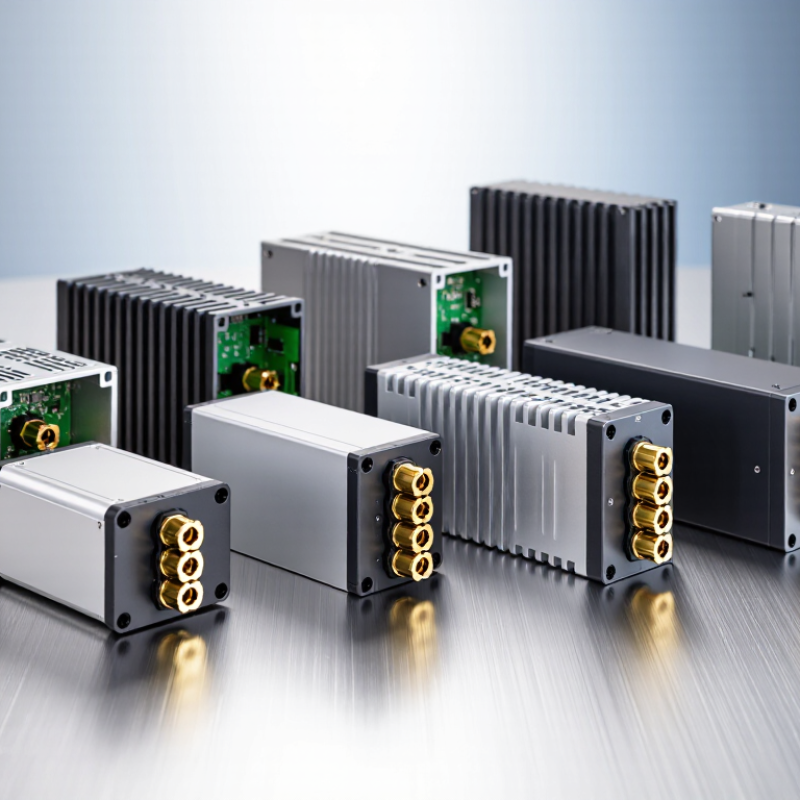
Top High Density Bus Converter Manufacturers in China?

What High-Density Bus Converters Are and How They Work

High-density bus converters are compact DC-DC stages that move power from a shared bus to equipment circuits. They often accept a 48 V intermediate bus and supply a lower voltage for downstream regulators. Many use an isolated, fixed-ratio design: switching devices drive a transformer, while inductors and capacitors smooth the output. “High density” means more power in less space; there is no single cutoff for every application. Less copper. More board space.

The architecture is useful as computing racks demand more power. The IEA’s Electricity 2024 report estimated that data centres used about 460 TWh worldwide in 2022, with consumption potentially exceeding 1,000 TWh by 2026. That is energy context, not a converter sales forecast. For an 800 W load, a 48 V bus carries roughly 16.7 A. At 12 V, the same load draws about 66.7 A, before losses. Lower current can reduce distribution losses for the same wiring resistance. But smaller modules do not erase heat. Engineers still need to check airflow, connector ratings, board copper, and transient response; a tidy block diagram can hide a stubborn thermal problem.

High-Density Bus Converters: Common Nominal Voltage Steps

Bus converters transfer power from an intermediate DC bus to a lower voltage rail. The ratios shown are calculated from common nominal voltage pairs; they are not efficiency figures or specifications for a particular product.

Key Applications and Performance Requirements

High-density bus converters serve systems where board space is limited but power demand remains significant. Telecom equipment uses them to power tightly packed processing and communication cards. Data-center control boards and industrial automation systems also rely on compact conversion near sensitive loads. The application shapes the requirements: a converter for a steady control circuit may not suit a processor facing rapid load changes.

Performance checks should cover input-voltage range, output regulation, transient response, and efficiency across realistic loads. Thermal behavior matters too. Measure temperatures near the converter in the actual enclosure, where airflow may be weaker than expected. Small margins matter. Review derating curves, isolation needs, and electromagnetic interference results alongside rated power. A datasheet cannot replace testing under the system’s real operating conditions. In practice, one test setup rarely tells the whole story.

Tips: Test at light and heavy loads, then repeat after the unit warms up. Compare ripple and temperature with your board assembled. Ask manufacturers for test conditions and clear reliability data; vague answers deserve follow-up.

How to Evaluate Bus Converter Manufacturers in China

Evaluating bus converter manufacturers in China starts with the application, not a catalog. Define the input voltage range, output rails, load profile, cooling limits, and installation space. A converter for a compact control cabinet may face different thermal stress from one used in a vehicle. Share these details before comparing quotations.

Ask for test data that matches your operating conditions. Useful records include efficiency across several load levels, output ripple, temperature rise, and performance during input-voltage changes. Check whether the manufacturer can explain its test setup and provide traceable inspection records. A neat specification sheet is helpful, but it cannot replace clear evidence. Ask how units are screened before shipment, too.

Production capability matters, but so does engineering support after delivery. Discuss sample lead time, change control, component traceability, and how technical questions are handled. If possible, review a sample under realistic load and measure temperatures at the enclosure and terminals. Small details count. A connector that fits poorly can complicate installation. One caveat: a single successful sample does not guarantee consistent batch quality, so request a plan for ongoing checks. Some supplier claims may be difficult to compare directly; clarify test methods before making a decision.

Leading High-Density Bus Converter Manufacturers in China

Leading High-Density Bus Converter Manufacturers in China

China’s high-density bus converter manufacturers serve applications where board space, efficiency, and dependable power delivery matter. Their products commonly support compact telecom, computing, and industrial systems. A small converter may sit beside processors, memory, or power modules, so heat has little room to escape. Buyers should compare input range, output stability, conversion ratio, isolation, and protection features against the actual system requirements.

A datasheet can look convincing, but it does not tell the whole story. Ask manufacturers how they test performance under load, elevated temperature, and limited airflow. Review thermal data, efficiency curves, safety documentation, and production quality controls. Also check mechanical drawings and pin layouts before designing a board; a minor footprint mismatch can cause costly delays. Communication matters, too. Clear answers about customization and sample lead times are useful signs, though they do not replace independent validation.

Tips: Test samples in your own enclosure, not only on an open bench. Measure case temperature and output ripple at realistic loads. Keep a little thermal margin. It is easy to underestimate heat. Request traceable test reports, and confirm that the quoted specifications match the exact model and operating conditions.

Industry Trends and Factors to Consider When Choosing a Supplier

China’s high-density bus converter market is moving toward smaller footprints, wider input ranges, and better digital monitoring. These changes help equipment designers save board space. They also make heat management harder.

Ask suppliers for efficiency curves, thermal data, and test conditions—not just headline specifications. A converter rated for high output may need substantial derating inside a sealed cabinet. Check isolation requirements, protection behavior, and performance across your actual load range. Request sample units and run them in the intended system. Bench results can look reassuring; field conditions are less tidy.

Supplier capability matters as much as the datasheet. Review production controls, component traceability, aging tests, and how engineering questions are handled. Clear change notifications are valuable when a design enters volume production. For custom versions, agree on validation steps and delivery expectations in writing. No supplier is perfect. Response speed can be impressive, while documentation may lag; verify both before committing. Ask what happens when a component changes, and whether replacement units will match the original electrical and thermal behavior.

FAQS

Where are high-density bus converters commonly used?

They power compact telecom cards, data-center control boards, and industrial automation systems. They often sit close to processors and memory.

Which performance details should buyers compare?

Check input range, output regulation, transient response, efficiency, isolation, and protection behavior. Compare results across realistic loads, not just rated power.

How should thermal performance be tested?

Test the converter inside the intended enclosure, where airflow may be limited. Measure nearby temperatures after warm-up. Heat has nowhere to go.

Why test both light and heavy loads?

Efficiency, ripple, and temperature can change across the load range. Repeat measurements after the unit warms up; one bench test rarely tells the whole story.

What should buyers request from a supplier?

Ask for efficiency curves, thermal data, test conditions, reliability records, and traceable reports. Vague answers deserve follow-up.

How can a converter’s physical fit be checked?

Review mechanical drawings and pin layouts before board design. Even a small footprint mismatch can cause costly delays.

What should buyers verify for customized versions?

Agree on validation steps and delivery expectations in writing. Confirm how component changes are reported and whether replacements retain similar electrical and thermal behavior.

Do strong datasheet results guarantee system performance?

No. Test samples in the actual system and compare ripple and temperature under realistic conditions. A neat datasheet can still hide weak thermal margins.

Conclusion

High Density Bus Converters are compact power-conversion devices designed to transfer energy efficiently between voltage levels while delivering substantial power in a limited space. Their operation typically involves converting an input bus voltage into a regulated output suited to downstream equipment. By reducing conversion losses and simplifying power distribution, they can support reliable designs in data centers, telecommunications systems, industrial equipment, and other applications where space, thermal management, and dependable operation matter.

When evaluating manufacturers in China, buyers should compare electrical performance, power density, efficiency, thermal behavior, protection features, quality controls, customization options, and technical support. It is also important to assess whether products meet the needs of the intended system and whether the supplier can provide consistent documentation and production capacity. As demand grows for smaller, more efficient, and more capable power systems, trends such as improved thermal designs and integration are shaping product development. A careful review of application requirements, supplier capabilities, and long-term service needs can help guide a suitable choice.

Olivia

Olivia

Olivia is a dedicated marketing professional with a strong understanding of the company’s products, customers, and industry landscape. With a background in strategic communication, content development, and market research, she transforms complex product information into clear, practical, and......