
0%

Choosing a DC-DC converter is not just a matter of matching its dimensions. DOSA Standard Footprint Converters offer buyers a familiar mechanical format, but electrical performance still varies by model. Output voltage, current capacity, isolation, efficiency, and thermal limits all deserve a close look. Small details matter. A converter that fits a board may still require different cooling or circuit protection.

This guide compares ten options for global buyers, with attention to practical details found in manufacturer datasheets. These include footprint, input range, rated output, operating temperature, and available documentation. A clear specification sheet helps engineers assess whether a part suits a design. It does not replace testing in the intended system. Pin compatibility alone does not guarantee a drop-in replacement.

There are trade-offs. A compact unit may simplify layout, while a higher-power model can bring added heat or cost. Buyers should also confirm product availability, warranty terms, and documentation for their destination market. Requirements can differ by application and region, so verify current details with the manufacturer or distributor. No shortlist can settle every design question. Still, a careful comparison can narrow the field and help teams ask better questions before ordering samples. Some product data may change, and that is easy to overlook. This ranking is a starting point, not a substitute for engineering review.
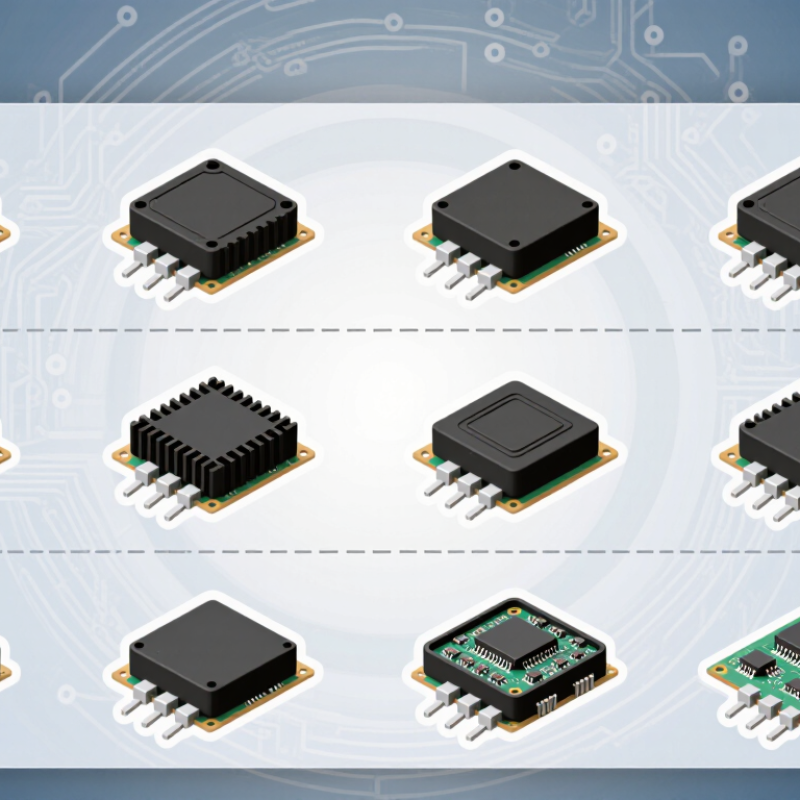
Top 10 DOSA Standard Footprint Converters for Global Buyers

Understanding DOSA Standard Footprint Converters

DOSA (Distributed-power Open Standards Alliance) footprint converters are DC-DC modules built around agreed mechanical outlines and pin arrangements. A standard footprint can simplify board design and sourcing, but it does not guarantee matching electrical behavior. Common brick formats include 1/16-, 1/8-, and quarter-brick sizes. Check each module’s drawing for dimensions, pin locations, and recommended clearances. Small differences matter. A crowded layout can restrict airflow or complicate soldering.

Treat the footprint as an interface, not a performance rating. Compare input range, output current, isolation, transient response, and thermal derating under the intended operating conditions. The IEA’s Energy and AI report estimates that data centres consumed about 415 TWh of electricity in 2024, roughly 1.5% of global electricity use. That demand makes efficient, maintainable power stages more consequential, but it does not make every converter suitable for a dense system. A careful bench test can still reveal surprises. Measure temperatures and output stability at realistic load levels, then check whether the selected module’s pinout truly matches the board.

Key Specifications for Comparing Converter Models

A DOSA-standard footprint makes comparison easier, but it does not guarantee a drop-in replacement. Check the exact input-voltage range, output voltage, and rated current against the equipment’s needs. A 12-volt rail drawing 8 amperes, for example, may require more than a converter’s headline rating once startup surges and operating temperature are considered. Read the derating curve, not just the product table. Small details matter. Confirm pin assignments, package height, and allowable component clearance before reviewing board layouts.

Efficiency affects heat, especially in compact enclosures with limited airflow. Compare efficiency at the load your system actually uses; peak figures can paint an incomplete picture. Also check isolation rating, switching frequency, ripple limits, and remote-control behavior where these affect system design. Documentation should state test conditions and thermal assumptions clearly. A neat table can still hide important gaps. I would not treat an unfamiliar unit as interchangeable until its datasheet and sample testing agree. For global purchasing, verify operating-temperature ranges, compliance documentation, and consistent model specifications across available production lots. A few minutes checking those details can prevent a costly redesign.

Top 10 DOSA Standard Footprint Converters for Global Buyers

For global buyers, a DOSA footprint is a practical starting point, not a guarantee of drop-in compatibility. The Distributed-power Open Standards Alliance defines common mechanical and interface guidelines for board-mounted converters. Buyers should compare package size, pinout, input range, output voltage, isolation, and thermal limits. A module that fits the footprint may still need different airflow or heat spreading. Check the datasheet carefully.

Market context matters. Grand View Research estimated the global DC-DC converter market at about USD 10.8 billion in 2022 and projected growth through 2030; this covers a broader market than DOSA modules alone. For selection, compare efficiency at the actual load, not only peak efficiency. A 1/8-brick unit in a sealed enclosure can run hotter than expected. Small details matter.

Ask suppliers for derating curves, conducted-noise data, and qualification conditions. Confirm whether ratings apply across the full input range and operating temperature. Review shipment consistency and second-source availability, too. These checks can expose gaps before a design is frozen. Still, interchangeability is never perfect; board layout and cooling choices can change the result.

Top 10 DOSA Standard Footprint Converters for Global Buyers

№ Converter Selection Profile DOSA Footprint Nominal Outline (W × L) Common Output-Rail Example Typical Buyer Consideration
1 Compact, low-power point-of-load module 1/16 brick 0.90 × 1.45 in
(22.9 × 36.8 mm)
3.3 V or 5 V Useful when board area is limited; check thermal performance and required output current.
2 Compact module for logic and control rails 1/16 brick 0.90 × 1.45 in
(22.9 × 36.8 mm)
12 V Compare isolation requirements, remote-control features, and pin compatibility with the existing layout.
3 Space-conscious, medium-power module 1/8 brick 0.90 × 2.28 in
(22.9 × 57.9 mm)
5 V or 12 V A common choice where a longer, narrow board area is available; verify airflow and derating curves.
4 Telecom or distributed-power bus module 1/8 brick 0.90 × 2.28 in
(22.9 × 57.9 mm)
48 V nominal bus conversion Confirm the complete input-voltage range, transient tolerance, and isolation rating for the system.
5 General-purpose, higher-current module 1/4 brick 1.45 × 2.28 in
(36.8 × 57.9 mm)
12 V Compare continuous output power, heat-sink needs, and the manufacturer’s recommended PCB copper area.
6 Industrial bus-conversion module 1/4 brick 1.45 × 2.28 in
(36.8 × 57.9 mm)
24 V Check the operating temperature range, input protection, and applicable safety approvals for the end product.
7 High-power, board-mounted module 1/2 brick 2.28 × 2.40 in
(57.9 × 61.0 mm)
12 V or 24 V Provides more board area for power handling; review airflow, baseplate options, and mounting clearances.
8 High-power module for demanding loads 1/2 brick 2.28 × 2.40 in
(57.9 × 61.0 mm)
48 V nominal bus conversion Confirm output-power derating, cooling method, isolation, and compliance documentation.
9 Large-format, high-power module Full brick 2.40 × 4.60 in
(61.0 × 116.8 mm)
24 V or 48 V Consider for systems with sufficient board space; check weight, mounting support, and service access.
10 Large-format module for power-dense systems Full brick 2.40 × 4.60 in
(61.0 × 116.8 mm)
Application-specific output rail Compare total system efficiency and thermal design at the actual load, rather than relying only on nominal ratings.

Note: This is a buyer-oriented format comparison, not a ranking of specific products. Footprint dimensions are nominal outline dimensions; confirm the applicable DOSA mechanical specification and the individual product datasheet before designing a PCB. Output rails and application examples are illustrative: electrical ratings, pin assignments, availability, certifications, and derating vary by product.

Regional Standards, Certifications, and Sourcing Factors

A DOSA footprint can simplify replacement, but it does not guarantee approval in every market. Safety requirements vary by destination and by the finished equipment. Buyers should check applicable IEC-based standards, national safety marks, and electromagnetic compatibility requirements before ordering. A converter’s certificate may cover only the component, not the complete device. That distinction matters during product review.

Check the paperwork closely. Ask for current test reports, declarations, insulation ratings, and traceability details tied to the exact part number. Requirements can differ across North America, Europe, and Asia-Pacific, and a familiar document may not satisfy a local reviewer. Small details matter. Confirm pinout, input range, isolation, and mechanical dimensions against the datasheet. Then test thermal performance in the actual enclosure; airflow and nearby heat sources can change results.

Sourcing decisions should include more than unit price. Compare production lead times, change-notification practices, sample availability, and support for regional documentation. Ask whether the quoted device remains available across the planned production period. A footprint match can hide differences in efficiency or derating, so bench testing is worth the delay. Not always simple. Keep a written record of approved substitutions, test conditions, and certificate versions, especially when purchasing through multiple regional channels.

Selecting and Integrating a Converter for Your Application

A DOSA-standard footprint narrows the mechanical search, but it does not guarantee a drop-in replacement. Check the converter’s input range, output voltage, rated current, isolation, and pin assignments against your board. A unit may fit neatly while missing a transient requirement or running too hot under load. Measure twice.

Compare candidate converters using the conditions your equipment will actually face. Estimate output power with startup peaks included, then review thermal derating at the enclosure’s expected temperature. Check airflow, nearby heat sources, and available clearance above the module. During integration, follow the manufacturer’s layout guidance for input and output capacitors. Confirm grounding and control-pin behavior before powering the full assembly. Small details matter.

Tips: Test a sample on the target board, not only on a bench supply. Measure case temperature and output ripple after the system reaches steady operation. Keep a record of test conditions; readings without context are hard to compare. If the converter behaves differently than expected, pause and investigate before changing several variables at once. That takes longer, but it makes the cause easier to find. A footprint match is useful. It is not the whole design review.

FAQS

Does a matching footprint guarantee a direct replacement?

No. Check pin assignments, package height, and component clearance. A neat fit can still fail electrically.

Which electrical ratings should I compare?

Compare input-voltage range, output voltage, rated current, and isolation. Include startup peaks in your output-power estimate.

Why should I check derating curves?

Rated current may fall as temperature rises. Review the curve at your enclosure’s expected temperature, not just the headline rating.

How can I judge converter efficiency?

Compare efficiency at your system’s usual load. Peak figures may not reflect real operation. Heat needs room to escape.

What should I inspect before installing a converter?

Check capacitor layout guidance, grounding, and control-pin behavior. Confirm these details before powering the full assembly.

How should I test a candidate converter?

Test a sample on the target board. Measure case temperature and output ripple after steady operation, and record the conditions.

What if the converter behaves unexpectedly?

Pause and investigate. Change one variable at a time; it may take longer, but the cause is easier to identify.

Is a datasheet enough to confirm compatibility?

It helps, but sample testing matters too. I can still overtrust a tidy specification table, so I check the actual setup.

Conclusion

This article introduces DOSA Standard Footprint Converters and explains how their standardized dimensions and interfaces can simplify power-system design, replacement, and integration. It outlines the key specifications buyers should compare, including input and output ranges, rated power, efficiency, isolation, thermal performance, protection features, and mechanical compatibility. A comparison of ten converter options provides a practical framework for matching product characteristics to different application requirements, without treating any single model as a universal choice.

The guide also considers regional standards, certifications, documentation, availability, and other sourcing factors that matter to global buyers. It concludes with a method for selecting and integrating a converter: define operating conditions, confirm footprint and electrical compatibility, allow for thermal and environmental constraints, and verify system-level performance through testing. These steps can help engineers and procurement teams make informed choices while reducing integration risks and supporting reliable operation.

Elara

Elara

Elara is a dedicated marketing professional who combines strategic insight, industry knowledge, and a strong understanding of customer needs to communicate the value of our company’s products. With extensive experience in content strategy, digital communication, and market research, Elara regularly......