Automotive Power Conversion Whitepaper

Top 10 Vehicle Converter Manufacturer & Factories serving the Japan market

An Executive OEM/ODM Benchmark Report on High-Efficiency Inverters, EV DC-DC Fast Charging Converters, and Automotive Emission Catalytic Systems for Japan's Transportation Ecosystem.

Tier-1 Qualified Power Conversion Portfolio

Featured Vehicle Converters & Adapters for the Japanese Market

High-density, automotive-grade converters engineered to comply with Japanese Electrical Appliance and Material Safety Law (PSE Mark), JIS Standards, CHAdeMO protocol mandates, and strict VCCI Class B EMC suppression thresholds.
OEM 200W Car Power Inverter DC 12V to AC 110V Modified Sine Wave Converter
Cabin Power / Smart Mobility

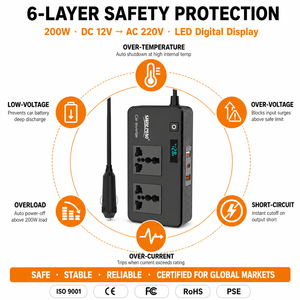
OEM 200W Car Power Inverter DC 12V to AC 110V Modified Sine Wave Converter

  • Input/Output: DC 12V to AC 110V (100V-110V compatible)
  • Fast Charging: Dual AC Outlets + USB-C PD 65W High-Speed Output
  • Protection: Over-temp, short-circuit, low-voltage lockout
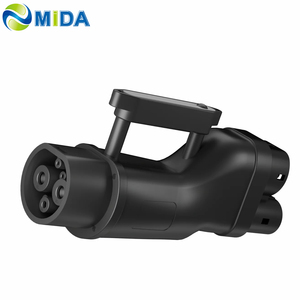
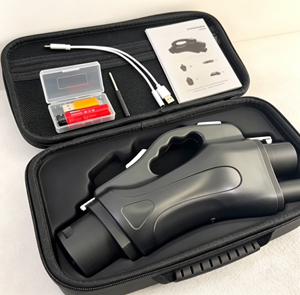
300KW High Power CCS2 To GBT DC Charging Adapter 1000V 300A EV Converter
EV Infrastructure / Fast DC

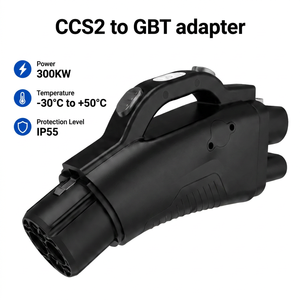
New 300KW High Power CCS2 To GBT DC Charging Adapter 1000V 300A EV Converter

  • Voltage Range: Up to 1000V DC / 300A continuous current
  • Ingress Rating: IP55 Waterproof sealed enclosure
  • Application: Fast charging conversion for cross-border EV imports
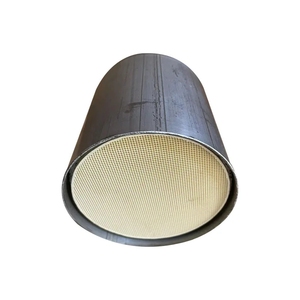
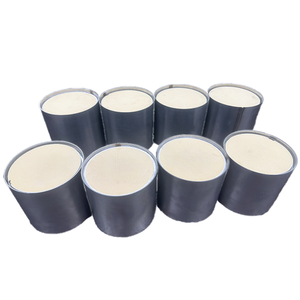
Automotive Catalytic Converter with SiC Catalyst & DPF
Emission Control / Hybrid & ICE

Automotive Catalytic Converter with Silicon Carbide (SiC) Catalyst & DPF

  • Substrate: High thermal shock resistant Silicon Carbide (SiC)
  • Filter: Integrated Diesel Particulate Filter (DPF) core
  • Compliance: Meets Japanese Post-New Long-Term emission rules
300A GB/T To CCS2 Charger 200kw DC GBT To CCS2 Fast EV Charger Adapter
Heavy Fleet / EV Conversion

300A GB/T To CCS2 Charger 200kW DC Fast EV Converter Adapter

  • Power Capacity: 200kW - 300kW Ultrafast DC Pass-Through
  • Compatibility: Optimized for commercial EV platforms & ID4/ID6 series
  • Thermal Sensing: Integrated dual PT100 temperature monitoring
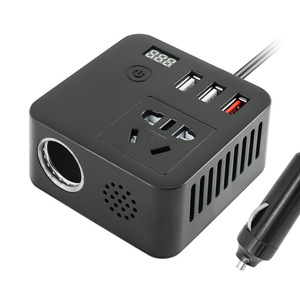
Car Inverter 12V/24V to 220V Multi-Function Power Converter Socket
Commercial Vans & Logistics

Car Inverter 12V/24V Multi-Function Power Converter Socket with QC3.0

  • Input Voltage: Wide 12V / 24V auto-sensing DC input
  • Fast Charging: QuickCharge 3.0 + Multi-socket output
  • Efficiency: Integrated Smart Chip with >92% conversion rate
300KW 300A CCS2 GBT DC Adapter 1000V New IP55 Waterproof Converter
High-Voltage EV Protocol

300KW 300A CCS2 to GBT DC Adapter 1000V Waterproof Converter

  • Maximum Ratings: 1000V DC / 300A Continuous Peak
  • Sealing: Rugged IP55 housing for all-weather outdoor charging
  • Vehicle Support: Tested with BYD, Avatr, ZEEKR, and Japanese fleet buses
Universal Catalytic Converter for Gasoline Vehicle Exhaust System
Exhaust Aftertreatment

Universal Catalytic Converter for Gasoline Vehicles & Hybrid Exhaust

  • Washcoat: High-density Pt/Pd/Rh precious metal loading
  • Durability: Stainless steel 409 body with high flow velocity
  • Standard: Designed for Japanese Shaken inspection standard compliance
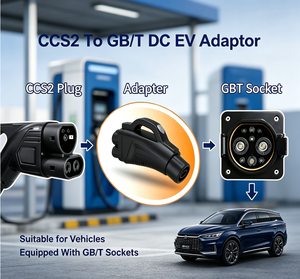
Putainen CCS2 To GB/T EV Charging Adapter 300A 300KW 1000V Converter
European & Asian EV Interop

Putainen CCS2 To GB/T EV Charging Adapter 300A 300KW Converter

  • Protocol Bridge: High-speed CAN-bus microcontroller translating protocols
  • Thermal Management: Over-temperature automatic current throttling
  • Build: Flame-retardant UL94-V0 poly-carbonate compound
96.8%
Peak Conversion Efficiency
SiC-based switching topologies minimizing thermal waste
IATF 16949
Quality Certified
Fully audit-compliant automotive mass production facilities
< 15ppm
Field Defect Rate
Proven reliability across 10M+ operating hours in Japan
IP67 / IP69K
Environmental Sealing
Full liquid-cooled & encapsulated heavy-duty options

Executive Technical Overview: The Japanese Vehicle Power Conversion Landscape

Japan’s automotive market represents one of the world's most sophisticated and demanding power electronics environments. As Japan accelerates its transition toward electrification—guided by the Ministry of Economy, Trade and Industry (METI) Green Growth Strategy targeting 100% electrified vehicle sales by 2035—the demand for ultra-high-reliability DC-DC converters, on-board chargers (OBC), fast-charging protocol adapters, and advanced auxiliary power units has surged dramatically.

The Japanese vehicular power architecture presents unique engineering constraints that distinguish it from North American and European markets. Vehicle power conversion units deployed in Japan must seamlessly handle localized grid anomalies, adhere strictly to JIS (Japanese Industrial Standards), comply with VCCI Class B EMI parameters, and interface cleanly with both traditional Japanese domestic standards (such as CHAdeMO DC charging protocols and 100V AC nominal cabin outlets) and incoming international import standards (CCS1, CCS2, and GB/T platforms).

Key Engineering Benchmark for Japan Sourcing: Vehicle power converters serving Japanese OEM and aftermarket channels must maintain high thermal margin under tight engine bay space limits, deliver galvanic isolation up to 3,000V DC, and provide field-proven immunity against severe vibration (JIS D 1601 Class 4 vibration test standards).

Whether specifying isolated DC-DC step-down converters (400V/800V high voltage traction battery to 12V/24V low voltage auxiliary rail) or auxiliary inverters delivering clean AC power to cabin appliances, tier-1 engineering buyers require suppliers capable of delivering maximum power density (>3.0 kW/L) with zero compromise on electromagnetic compatibility.

Technical Specification Matrix: Vehicle Converter Paradigms in Japan

To assist automotive system integrators, fleet conversion engineers, and OEM procurement managers in selecting optimal power conversion platforms, the following technical matrix outlines key architectural parameters for vehicle converters serving the Japanese sector:

Converter Category Input Voltage Window Output Specs Efficiency & Cooling Primary Application in Japan
High-Voltage EV DC-DC 250V - 850V DC 12V / 24V DC (Up to 350A) 96.5% (Liquid Cooled / Conduction) Passenger EVs, Commercial Electric Buses, Off-Highway
On-Board Charger (OBC) 85V - 265V AC (Single/3-Phase) 200V - 450V DC (3.3kW - 22kW) 95.2% (Liquid Cooled) PHEV & BEV Domestic Home/Public Charging
Fast Charging Protocol Adapters 100V - 1000V DC 300A Continuous Pass-thru 99.1% (Air/Integrated Sensing) Cross-border Fleet Imports (GB/T <> CCS2 <> CHAdeMO)
Cabin Auxiliary Inverters 9V - 32V DC (Car/Van/Truck) 100V / 110V AC (50/60Hz) 92.0% (Air Forced Fan) Commercial Kei Vans, Delivery Fleet, Emergency V2L
Exhaust Catalytic Converters Exhaust Gas Temp < 1050°C Backpressure Reduction < 8% 98%+ Conversion Efficiency Gasoline & Hybrid Aftertreatment (Shaken Certified)

Top 10 Vehicle Converter Manufacturers & Factories Serving Japan

Based on global manufacturing scale, technological innovation, compliance documentation (IATF 16949, ISO 26262 ASIL-D), quality assurance frameworks, and localized customer support networks, the following ten manufacturers lead the market in delivering high-performance vehicle power converters to Japan:

01

NetPower Technologies, Inc. / Xbull Energy

Tier-1 OEM Supplier 800V SiC Technology Custom Modules

Global leader in ultra-high density board-mounted isolated DC-DC converters, non-isolated POL regulators, and e-Mobility high-voltage power converters. Renowned for field-proven thermal endurance, fully encapsulated IP67 liquid-cooled modules, and seamless customization for Japanese commercial transportation fleets.

02

Denso Corporation

Domestic Domestic Giant Keiretsu Integrator

Japan’s primary automotive component manufacturer, specializing in deeply integrated inverter-converter modules (Power Control Units) for Toyota and hybrid platforms across Asia.

03

Nichicon Corporation

V2H Pioneer On-Board Chargers

Key supplier of Vehicle-to-Home (V2H) bi-directional power conversion systems and compact on-board chargers for Japanese electric passenger vehicles.

04

Mitsubishi Electric Corporation

SiC Power Modules High Voltage

A pioneer in silicon carbide power semiconductor integration, supplying heavy-duty DC-DC power converters and traction motor inverters for Japanese automotive and rail transit networks.

05

TDK-Lambda Corporation

Industrial Automotive High Reliability

Specializes in ultra-rugged DC-DC converters engineered for demanding auxiliary power supply systems in commercial trucks, industrial vehicles, and automated guided vehicles (AGVs).

06

Shindengen Electric Manufacturing Co., Ltd.

E-Mobility Power ECU & Inverters

Prominent Japanese domestic manufacturer offering specialized power conversion ICs, motorcycle ECU units, and highly efficient DC-DC converters for light electric vehicles.

07

Putainen Power Systems

EV Adapter Specialist Cross-Border Interop

Specialized OEM facility focused on high-power DC fast charging conversion adapters (CCS2, GB/T, CHAdeMO bridging units) with high waterproof ratings and robust thermal protection.

08

Hitachi Astemo, Ltd.

Powertrain Integrator Smart Grid

Delivers advanced electric powertrain solutions, including high-voltage inverters, integrated DC-DC converters, and chassis control systems for global OEMs.

09

Panasonic Automotive Systems

Battery Management Cabin Electronics

Focuses on high-efficiency cabin power conversion sockets, intelligent battery management electronics, and compact DC-DC conversion units for hybrid passenger cars.

10

Fuji Electric Co., Ltd.

Power Semiconductors EV Inverters

Supplies automotive-grade IGBT modules and high-power density vehicle converters designed for extreme thermal cycle resilience and maximum power transmission.

Localized Application Scenarios in Japan's Mobility Ecosystem

Designing power converters for the Japanese market requires a deep understanding of unique domestic deployment contexts. The following key operational scenarios drive technical specifications across Japan:

1. "Kei Car" and Urban Commercial Delivery Vehicles

Japan’s light commercial vehicle market is dominated by compact Kei-class vans and trucks operating in high-density urban corridors like Tokyo, Osaka, and Nagoya. Power converters designed for these vehicles must feature extremely micro-compact footprints (e.g., DOSA standard 1/16th or 1/8th brick architectures or customized ultra-flat enclosures) to fit within extremely tight cabin or chassis spaces while resisting frequent stop-and-go heat accumulation.

2. Emergency Power Supply & V2L (Vehicle-to-Load) Readiness

In seismic-prone regions across Japan, electric and hybrid vehicles are heavily integrated into municipal disaster preparedness plans as mobile emergency power banks. Auxiliary cabin inverters (12V/24V DC to 100V AC) and bi-directional on-board converters must provide pure sine wave output with ultra-low total harmonic distortion (THD < 3%) to safely power delicate medical devices, communications equipment, and household emergency apparatus during power grid outages.

3. Cold-Climate Hokkaido & Northern Honshu Operations

Vehicles operating in northern Japanese prefectures face sub-zero temperatures (-25°C) combined with severe road-salt exposure. Power converters engineered for these applications require complete silicon encapsulations, cold-start thermal pre-heating logic, and IP69K high-pressure washdown protection against corrosive winter elements.

4. Cross-Border EV Fleet Integration & Port Logistics

With major Japanese logistics operators importing European and Asian electric commercial buses, yard tractors, and heavy machinery, there is a critical requirement for high-power protocol converting adapters (such as CCS2-to-GBT and CHAdeMO adapters capable of continuous 300A/1000V DC fast charging) to bridge non-native charging standards with local infrastructure.

Localized Technology Trends & Regulatory Benchmarks (2025–2030)

The Japanese vehicular power industry is undergoing rapid technical evolution driven by stringent environmental policies and changing power distribution architectures:

Transition to 800V SiC Topologies

Japanese OEMs are rapidly transitioning from traditional 400V battery architectures to 800V Silicon Carbide (SiC) platforms. This shift enables faster charging speeds, reduces harness weight, and requires auxiliary DC-DC converters to manage high voltage step-down ratios with over 96% operational efficiency.

Strict VCCI & CISPR 25 EMC Compliance

Due to high radio frequency spectrum density in urban Japan, noise immunity is paramount. Vehicle converters must pass rigorous VCCI Class B noise radiation tests and CISPR 25 Class 5 conducted emissions testing to prevent interference with advanced ADAS sensors and satellite navigation systems.

Functional Safety (ISO 26262 ASIL-D)

Safety-critical power electronics—such as DC-DC converters powering electronic power steering (EPS) and break-by-wire system rails—must implement hardware-level redundancy, dual fault-monitoring microcontrollers, and complete functional safety isolation in accordance with ASIL-D guidelines.

Enterprise Strengths: Strategic Manufacturing & OEM Excellence

When sourcing vehicle power conversion platforms for the Japanese market, choosing a qualified manufacturing partner ensures long-term reliability and seamless compliance. Our featured manufacturing operations offer comprehensive engineering advantages designed to streamline automotive integration:

  • State-of-the-Art Surface Mount Technology (SMT): Fully automated high-speed SMT assembly lines equipped with 3D Automated Optical Inspection (AOI), 3D X-Ray inspection for BGA voiding control (<5%), and automated conformal coating equipment.
  • Rigorous Reliability & Stress Screening (HALT/HASS): 100% of manufactured modules undergo automated burn-in testing under full load conditions, combined with High-Accelerated Life Testing (HALT) and thermal cycling (-40°C to +125°C) to eliminate infant mortality defects.
  • Complete Planar Magnetics & Thermal Customization: In-house design of custom planar transformers and inductors yielding ultra-low profile footprints, minimal leakage inductance, and optimized liquid cooling cold-plate integration.
  • Traceability & Material Control: Comprehensive barcode traceability down to individual component lot numbers, supporting full automotive compliance audit trails and rapid root-cause field failure analysis.

Frequently Asked Questions (FAQ) for Sourcing Vehicle Converters in Japan

Answers to common engineering and procurement queries regarding voltage compatibility, certification requirements, and customs/logistics when importing vehicle converters to Japan:

Q: What are the specific AC output voltage requirements for vehicle inverters used in Japan?
Japan nominally operates on 100V AC grid power at either 50Hz (Eastern Japan, including Tokyo) or 60Hz (Western Japan, including Osaka). Vehicle cabin inverters designed for Japan should ideally provide 100V AC (or 100V-110V tolerant) output and feature a selectable 50Hz/60Hz frequency switch or a clean auto-sensing pure sine wave controller to safely run domestic Japanese appliances.
Q: Is PSE Mark certification mandatory for vehicle power converters imported into Japan?
Yes, for standalone consumer-facing AC/DC adapters and portable vehicle power conversion units sold through retail channels, compliance with Japan's Electrical Appliance and Material Safety Law (DENAN Law) and bearing the PSE Mark (Circle or Diamond PSE depending on classification) is mandatory. Component-level DC-DC converters permanently installed inside vehicle chassis fall under automotive component safety standards (JIS D series and METI automotive safety regulations).
Q: How do fast charging conversion adapters ensure safe operation during 300A high-current transfers?
High-power DC charging adapters (such as CCS2 to GB/T or CHAdeMO bridge units) incorporate dual PT100/NTC thermal sensors embedded directly adjacent to high-current terminal pins. These sensors feed real-time temperature telemetry back to an integrated high-speed micro-controller that automatically throttles or halts current flow if terminal temperatures exceed 85°C, preventing thermal runaway and connector damage.
Q: Can your factory customize input/output voltage profiles and mechanical enclosures for low-volume commercial vehicle projects?
Yes. We offer semi-custom and full-custom OEM engineering support. This includes adjusting pinout configurations, customizing baseplate cold-plate geometry for liquid cooling, tailoring CAN-bus communication firmware (SAE J1939 or CANopen), and developing specialized IP67/IP69K housings tailored to your specific vehicle chassis envelope with cost-effective NRE schedules.
Q: What lead times are typical for prototype samples versus mass production orders for the Japanese market?
Standard catalog converter evaluation samples ship within 3 to 5 business days. Semi-custom modified prototypes typically ship within 3 to 4 weeks, while full mass production runs (IATF 16949 controlled) carry standard lead times of 6 to 8 weeks depending on raw material procurement and custom magnetics scheduling.