
Field-proven, wide-input isolated DC-DC modules and high-density OBC platforms compliant with EN 50155, EN 50121-3-2, and IP67 ruggedization standards.
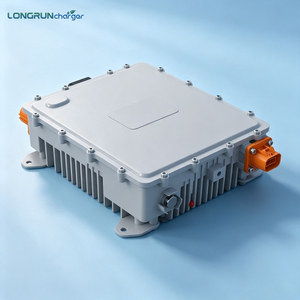
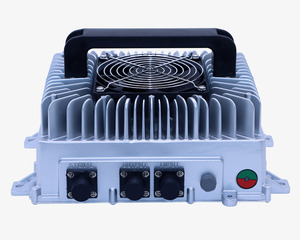
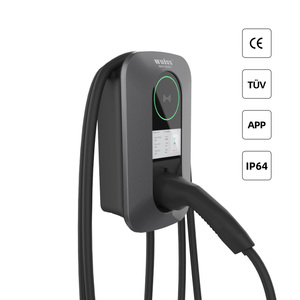
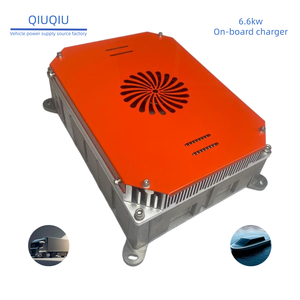
An in-depth guide to modernizing rolling stock, electric traction lines, and municipal metro infrastructure under European Union railway safety standards.
Bulgaria’s railway transport ecosystem is undergoing its most comprehensive structural transformation in decades. Driven by the European Union’s National Recovery and Resilience Plan (NRRP) and the European Green Deal, national entities like the National Railway Infrastructure Company (NRIC) and Bulgarian State Railways (BDZ) are accelerating fleet electrification, line signaling modernizations, and rolling stock overhauls. As a specialized railway converter manufacturer and supplier serving Bulgaria, our engineering architectures directly resolve the severe environmental, electrical, and operational requirements dictated by Trans-European Transport Network (TEN-T) corridors IV, VIII, IX, and X.
Operating railway electronics across Bulgaria demands hardware engineered for extreme voltage fluctuations, wide operating temperatures, and rigorous mechanical shock. Line voltages across Bulgarian electric traction lines typically rely on 25 kV AC at 50 Hz overhead catenaries. However, on-board train electronics, control panels, safety systems, and auxiliary networks operate on standardized direct current (DC) distribution buses. Nominal input voltages for on-board railway converters include:
Our encapsulated isolated DC-DC converters feature hyper-wide input ratios (such as 10:1 or 4:1 continuous input windows) to maintain stable regulated outputs even during extreme catenary dropouts, pantograph bounce, or engine cranking transients.
Procurement specifications issued by Bulgarian OEM vehicle builders, overhaul repair yards (such as Sofia Express Maintenance shops), and system integrators mandate absolute compliance with European CENELEC railway norms. Supplying converters to this market requires strict adherence to three key benchmarks:
EN 50155 (Railway Applications - Rolling Stock Equipment): Governs operational performance, electrical isolation, shock, and vibration resistance. Our railway converters undergo 100% burn-in testing, thermal cycling from -40°C to +85°C, and Category 1 Class B shock/vibration testing according to IEC 61373.
EN 45545-2 (Fire Protection on Railway Vehicles): Requires materials to satisfy stringent Hazard Level standards (HL1 to HL3). Our modules utilize flame-retardant silicone potting compounds, UL 94-V0 rated enclosures, and halogen-free circuit boards to prevent toxic smoke generation in tunnels, such as the Koznitsa Tunnel or Sofia Metro underground routes.
EN 50121-3-2 (Electromagnetic Compatibility - Rolling Stock): Prevents electromagnetic interference (EMI) from disrupting critical Automatic Train Protection (ATP) systems, GSM-R communications, or digital cabin radios. Integrated multi-stage LC filters minimize both conducted and radiated emission spikes.
From sub-zero Balkan mountain passes to high-frequency urban underground metro lines, our power conversion modules deliver uncompromised reliability.
Powering passenger information displays (PIS), automated door actuators, emergency brake control systems, and cab display units. High-density quarter-brick and half-brick DC-DC converters ensure continuous 24V supply from Line 1, 2, and 3 825V/110V third-rail auxiliary networks.
Supporting long-distance trains along the Plovdiv–Burgas and Sofia–Varna trunk lines. Our 3.3kW OBC modules and isolated DC converters maintain battery charge levels and feed HVAC electronic controllers under high continuous ambient loading.
Designed for locomotives negotiating the Balkan Mountain routes (Stara Planina) and Iskar Gorge, where winter temperatures plummet below -30°C. Fully potted aluminum chassis dissipate heat efficiently while resisting condensation and salt haze corrosion.
Power conversion for heavy industrial electric locomotives hauling coal and raw materials in the Maritsa East energy complex. Modules withstand high electrical noise, voltage spikes, and dust contamination without thermal derating.
Key growth vectors shaping power architecture choices for state operators, private freight carriers, and rolling stock refurbishers.
Bulgaria’s Ministry of Transport and Communications has laid out clear modernization roadmaps through 2030. Key investments focus on decarbonizing regional transit, deploying dual-mode (electric/battery) shunting engines, and implementing European Rail Traffic Management System (ERTMS) Level 2 standard across all core corridors. These initiatives directly drive demand for sophisticated DC-DC power converters and battery charging modules:
| Modernization Pillar | Legacy System Challenge | Target Power Architecture Solution | Key Benefit for Bulgarian Operators |
|---|---|---|---|
| Battery-Hybrid Shunting Locomotives | High diesel fuel burn & urban emissions during yard switching | High-voltage 3.3kW–6.6kW bidirectional DC-DC & OBC platforms | Up to 70% reduction in yard fuel consumption; zero local emissions |
| ERTMS / ETCS On-Board Signaling | Voltage noise causing signal dropouts in cabin receivers | EN 50121-3-2 compliant isolated DC-DC converters (110V to 24V) | Fail-safe digital communication & uninterrupted train position logging |
| Passenger Comfort & Wi-Fi Retrofits | Overloaded auxiliary buses in 1980s passenger coaches | High-density brick converters with planar transformer topology | Seamless 230V AC / USB charging power delivery per seat row |
| Sofia Metro Line Extensions | Space-constrained electrical bays in new car sets | Ultra-compact encapsulated half-brick & full-brick modules | 30% space saving in driver console auxiliary power racks |
By transitioning from bulky linear transformers to high-frequency switch-mode power converters, system engineers cut payload mass dramatically. Every kilogram saved on rolling stock translates directly into reduced energy consumption over millions of operating track kilometers across Bulgaria.
Standardized parameter guidelines tailored for system integration engineers, electrical designers, and procurement managers.
| Series Family | Nominal Input (VDC) | Continuous Input Range | Output Voltage Options | Efficiency | Isolation Rating | Cooling Method |
|---|---|---|---|---|---|---|
| RWC-100W Bricks | 24V, 48V, 110V DC | 14.4V – 154V DC (10:1 Input) | 5V, 12V, 15V, 24V DC | 91.5% | 3,000 VAC / 1 minute | Conduction Baseplate |
| RWC-300W Half Brick | 72V, 96V, 110V DC | 43.2V – 154V DC | 12V, 24V, 48V DC | 94.0% | 2,250 VDC | Integrated Heatsink / Forced Air |
| RWC-600W Full Brick | 110V DC Nominal | 66V – 160V DC | 24V, 48V DC | 95.2% | 3,000 VAC | Conduction / External Cold Plate |
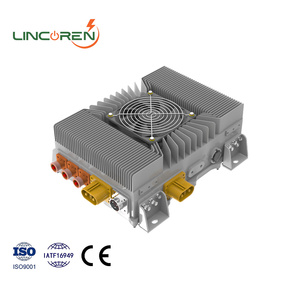
| OBC-3.3KW EV-Rail | 220V AC / 300V-750V DC | 90V – 264V AC / 200V-800V DC | 48V, 72V, 144V, 312V DC | 96.2% | 3,500 VAC (HV to LV) | Liquid Cooling / Forced Air (IP67) |
Decades of switch-mode power design authority, ISO-certified manufacturing controls, and direct technical support for Eastern European rail projects.
Every converter unit undergoes automated optical inspection (AOI), HALT/HASS thermal stress testing, and full functional burn-in screening. Serialized QR codes grant complete component-level traceability for safety audits.
When standard off-the-shelf bricks do not match your exact pinouts, input range, or mechanical mounting holes, our power engineers deliver modified designs with low NRE costs and rapid prototyping cycles.
We provide seamless technical consultation, sample shipments, and volume fulfillment serving Sofia, Plovdiv, Varna, Ruse, and regional manufacturing hubs throughout Bulgaria and the Balkans.
Get fast answers regarding certifications, thermal management, lead times, and custom voltage configurations.
Our railway converters feature ultra-wide input voltage ranges designed around EN 50155 standard test limits. For instance, our 110V nominal series accommodates continuous inputs from 66V up to 154V DC, while absorbing transient surges up to 168V DC without output interruptions or thermal shutdown.
Yes. Our encapsulated power modules comply fully with EN 45545-2 (HL2/HL3 hazard levels for fire, smoke toxicity, and flammability) as well as EN 50121-3-2 for electromagnetic compatibility, making them suitable for subterranean rolling stock and station auxiliary panels.
For sealed or IP67-rated control boxes common in modern train carriages, we recommend our conduction-cooled baseplate brick converters. Mounting the module's metal baseplate directly to the vehicle chassis or an external cold plate allows full 100% power delivery up to +85°C baseplate temperatures without requiring internal fans.
Absolutely. While standard outputs include 5V, 12V, 15V, 24V, and 48V DC, our engineering team frequently provides semi-custom factory voltage trimming (e.g., 13.8V, 28V, or dual isolated outputs) to support older Bulgarian rolling stock retrofits.
Every sample shipment includes detailed engineering datasheets, EN 50155 compliance verification certificates, thermal derating curves, EMI test plots, and recommended PCB layout notes for rapid design integration.
Standard stock samples ship within 3 to 5 business days to major Bulgarian cities including Sofia, Plovdiv, and Varna via express courier. Production batch orders typically carry a 4-to-6 week lead time depending on custom specifications.