



1. High-Gain Technical Overview: The Role of Linear & High-Density Power Systems in South America
As Brazil accelerates its national industrial modernization strategy—aligned with the Nova Indústria Brasil (NIB) policy—demand for mission-critical electrical infrastructures, linear power supplies, and robust open-frame hardware has reached unprecedented levels. Modern industrial processes across South America encounter extreme ambient diversity: from humid tropical microclimates in the Amazon Basin (Manaus Industrial Hub) to high-vibration heavy industrial corridors in Caxias do Sul and São Bernardo do Campo.
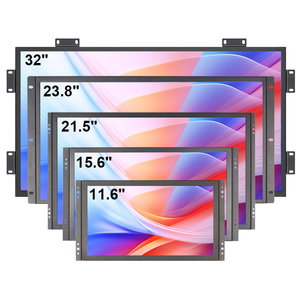
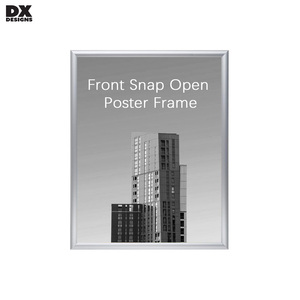
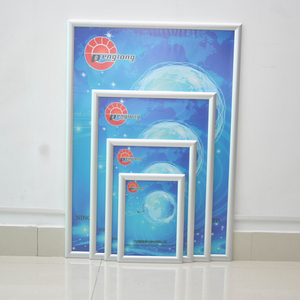
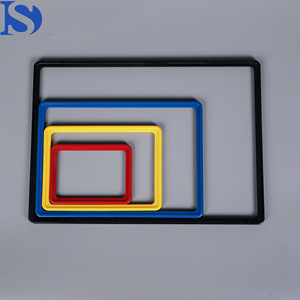
Industrial linear supplies and precision DC-DC conversion architectures provide the foundational backbone for sensitive automation, medical instrumentation, telecommunications base stations, and transportation systems. Unlike standard switching power supplies that introduce high-frequency electromagnetic interference (EMI), linear regulated power supplies deliver ultra-clean, ripple-free DC power with near-zero harmonic distortion. When paired with heavy-duty open-frame display panels and structural aluminum snap frame assemblies, system integrators gain a unified electrical and mechanical infrastructure engineered to withstand South America's most demanding operational environments.
2. Engineering Comparison: Linear Regulated vs. Switch-Mode Architectures
Selecting the optimal power supply topology requires evaluating signal integrity, thermal dissipation, physical footprint, and regional grid compliance (60 Hz AC grid across Brazil). The table below outlines the key technical metrics evaluated by Brazilian procurement engineers when sourcing power conversion modules:
| Technical Parameter | Linear Regulated Power Supply | High-Density Switch-Mode (DC-DC / POL) | Application Impact in Brazil Grid Context |
|---|---|---|---|
| Output Ripple & Noise | < 1 mV to 3 mV RMS (Ultra-Clean) | 50 mV to 150 mV Peak-to-Peak | Essential for sensitive laboratory equipment, audio/rf, and ANATEL-certified telecom rigs. |
| Electromagnetic Interference (EMI) | Near Zero Radiated/Conducted EMI | Requires External Filter Circuitry | Accelerates ANATEL compliance; eliminates cross-talk in dense industrial panels. |
| Transient Response Time | < 20 microseconds (Ultra-Fast) | 100 to 500 microseconds | Prevents voltage sags during sudden load steps in automated manufacturing lines. |
| Thermal Management Requirement | Conduction / External Heatsinking | High Efficiency, Minimal Radiator Baseplate | Critical for high-temperature ambient plants in Northeast Brazil and interior SP. |
| Input Voltage Flexibility | Narrow Input Window (Fixed AC/DC) | Ultra-Wide Input (9-75V, 180-400V, 400-650V) | Switch-mode bricks excel in wide-fluctuation rural grids; linear excels in local regulation. |
3. Brazilian Regional Application Scenarios for Linear & Open-Frame Hardware
Our comprehensive supply portfolio serves four distinct industrial verticals across the Brazilian federated states:
1. Telecommunications & 5G Base Stations
Deployments along coastal highways (Santos, Rio de Janeiro) and inland towers require low-noise power regulation modules operating on 48V intermediate buses. Linear modules ensure crystal-clear signal transduction and zero RF interference for ANATEL-approved spectrum networks.
2. Agro-Industrial Automation & Smart Mills
In Mato Grosso and Paraná, grain processing plants and ethanol refineries rely on industrial touch screens and open-frame control panels. Enclosed in heavy-duty aluminum snap frames, these units withstand organic dust, washdown cycles, and constant vibration.
3. Smart Cities & Mass Transit Terminals
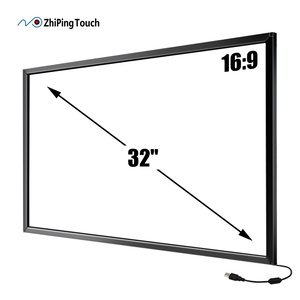
From the Metro de São Paulo to BRT transit stations in Curitiba, open-frame multi-touch monitors (8" to 32") integrated with modular poster frames provide real-time passenger information display, robust against public vandalism and ambient light glare.
4. Localized Market Trends Driving Linear Supply Demand in Brazil
Understanding Brazil’s macroeconomic trajectory is essential for strategic B2B sourcing. Key structural growth drivers include:
- Reindustrialization Initiatives (Nova Indústria Brasil): Government tax incentives prioritize local assembly lines that incorporate high-reliability components, driving demand for imported linear modules and DOSA-compliant power bricks.
- Decentralized Renewable Microgrids: Solar farms in Bahia and wind parks in Rio Grande do Norte require ruggedized power monitoring hardware capable of wide operating temperatures (-40°C to +85°C) and reinforced isolation up to 2250 VDC.
- E-Mobility & Commercial Vehicle Electrification: Electrified bus fleets in São Paulo call for vehicle-grade DC-DC converters (1kW to 5kW) with IP67 liquid-cooled enclosures, operating seamlessly alongside onboard display controllers.