
Optimized for high thermal resilience, wide input AC/DC voltage tolerances, and compact 19-inch subrack integration across Indian enterprise deployments.
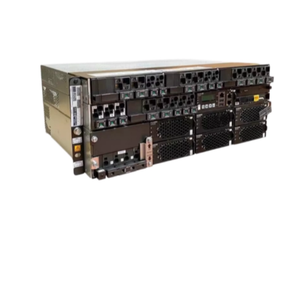
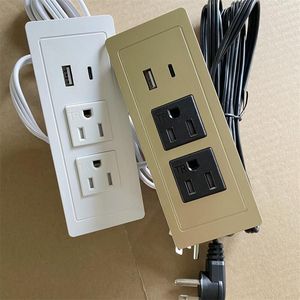
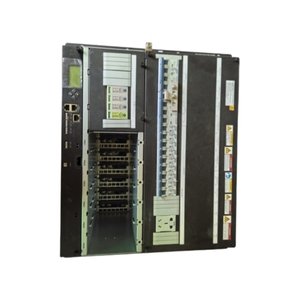
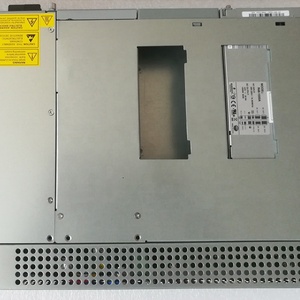
Delivering uncompromised power density, thermal efficiency, and operational MTBF across demanding industrial environments.
The rapid expansion of India's digital economy—driven by nationwide 5G telecom deployments, smart city infrastructure projects, high-speed rail electrification, and massive e-Mobility adoption—has generated an unprecedented demand for high-reliability embedded power systems. As Tier-1 telecommunication operators, industrial original equipment manufacturers (OEMs), and data center integrators scale up across tier-1, tier-2, and rural districts, power sub-systems encounter operational conditions that severely test standard electronics. Unstable grid voltages, frequent brownouts, elevated harmonic distortion, and ambient outdoor summer temperatures exceeding +50°C necessitate robust engineering solutions from leading embedded power manufacturers.
To achieve high uptime and operational resilience, modern embedded AC/DC rectifiers and board-mounted isolated DC-DC converters must incorporate wide input voltage windows, high thermal conduction margins, and advanced digital control topologies. This white paper analyzes technical considerations, localized application scenarios, and key structural trends governing embedded power system sourcing in the Indian market.
An embedded power supply system converts fluctuating utility grid power or high-voltage DC lines into regulated, clean direct current (typically -48V DC, 24V DC, or 12V DC) to feed sensitive communication nodes, processors, server arrays, and industrial actuators. The essential building blocks of high-performance embedded systems include:
To assist system architects in selecting the correct power topology for localized integration, the following table compares primary technical attributes across key embedded power product categories.
| Category / Topology | Standard Input Range | Output Capacities | Peak Efficiency | Primary Application in India |
|---|---|---|---|---|
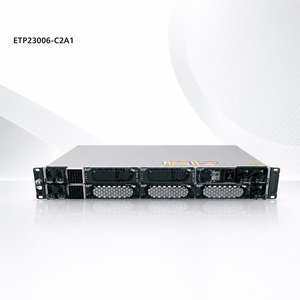
| High-Capacity Telecom Subracks | 85VAC – 300VAC (1-Phase / 3-Phase) | 48V DC / 100A to 400A+ | 95.5% – 97.2% | 5G Macro Base Stations, Fiber POPs, Central Exchange |
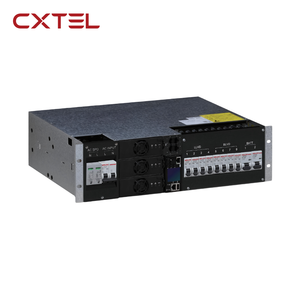
| Compact 1U / 3U Subrack Systems | 90VAC – 290VAC | 48V DC / 3kW to 9kW | 94.0% – 96.0% | Outdoor Telecom Cabinets, Edge Computing Nodes |
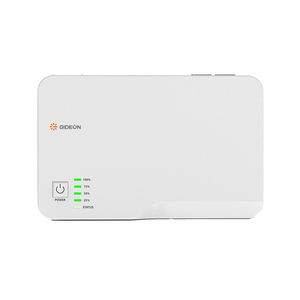
| Micro POE & Mini DC UPS | 100VAC – 240VAC | 5V / 9V / 12V DC & POE 24V/48V | 88.0% – 91.0% | Smart City Surveillance, Wi-Fi Hotspots, CPE Routers |
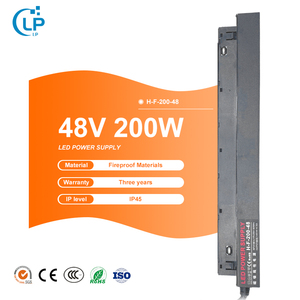
| Embedded LED / Magnetic Drivers | 180VAC – 265VAC | 48V DC / 100W to 350W | 92.0% – 94.5% | Architectural Lighting, Commercial High-Bay & Smart Track |
| Board-Mount Isolated DC-DC Bricks | 9V–36V, 18V–75V, 180V–400V DC | 15W to 1000W+ | 90.0% – 95.5% | Railway Signaling, EV On-Board Converters, Defense Electronics |
From metropolitan fiber infrastructure to harsh outdoor industrial hubs, embedded power systems serve critical operations nationwide.
With major Indian carriers rapidly deploying 5G sub-6GHz and mmWave small cells, embedded 48V DC power systems (like the ETP48300 and HT009D series) provide high-efficiency power to remote radio heads (RRH) and optical transport equipment, minimizing grid energy draw and reducing diesel generator runtime.
Modernization projects under Indian Railways—such as the Kavach Automatic Train Protection (ATP) system—require ultra-reliable DC-DC power conversion bricks. Wide-input isolated modules (accepting 66V–160V DC line inputs) deliver stable power to trackside signaling, train control management systems (TCMS), and passenger information displays.
Urban municipal projects in cities like Bengaluru, Ahmedabad, and Pune utilize compact mini DC UPS systems with inbuilt lithium batteries to maintain continuous power for outdoor CCTV monitoring, traffic sensors, and public POE Wi-Fi access points during grid interruptions.
As India's electric 2W/3W and commercial vehicle sectors expand, embedded high-power DC-DC converters act as key auxiliary power supply units (APU). They drop high-voltage traction battery power down to 12V/24V to run onboard telematics, cooling fans, and vehicle control units (VCU).
Manufacturing corridors across Gujarat, Tamil Nadu, and Maharashtra deploy embedded 24V/48V switching power supplies inside PLC control panels, robotic arms, and automated optical inspection systems where immunity to electrical noise and voltage dips is mandatory.
The Government of India's Production Linked Incentive (PLI) schemes for telecom networking equipment and automotive components are accelerating local assembly and manufacturing. Enterprise buyers and system integrators increasingly require embedded power manufacturers to offer localized technical support, custom design engineering, and compliance with Indian Bureau of Standards (BIS) and TEC (Telecommunication Engineering Centre) certifications.
Telecom tower operators in India are shifting rapidly from traditional flooded lead-acid/VRLA battery banks to compact Lithium Iron Phosphate (LiFePO4) energy storage systems. Consequently, embedded power supplies must feature digital monitoring software capable of seamlessly managing LiFePO4 charge/discharge profiles, cell-balancing telemetry, and multi-stage low voltage disconnect (LVD) thresholds.
Dust accumulation and outdoor heat pose significant failure risks for embedded electronics in India. Manufacturers are prioritizing natural-conduction cooled modules and IP65/IP67 sealed power enclosures. Advanced potting compound materials and baseplate-cooled DC-DC converter designs ensure sustained operation without active fan failures in dusty environments.
Proven technical capabilities designed to deliver field reliability and custom power integration support.
Rigorous HALT/HASS stress testing, thermal derating simulations, and worst-case loop analysis guarantee that published efficiency and MTBF metrics hold up under real-world stress.
Full compliance with DOSA and POLA footprint standards for board-mounted modules, as well as industry-standard 19-inch 1U/2U/3U subrack dimensions for seamless drop-in replacements.
In addition to standard platforms, our power engineering teams modify mechanically enclosed subracks, pinout configurations, mechanical baseplates, and firmware control protocols to match client requirements.
Direct answers to common technical, compliance, and sourcing questions encountered during power system selection.
Consult with our senior application engineers to review your power architecture, request datasheets, or order evaluation samples customized for your specific system requirements.