Selecting a compact DC-DC converter for a dense power system can look straightforward on paper. Yet small differences in input range, output regulation, isolation, and thermal behavior can shape reliability. Sixteenth Brick DC-DC Converters are designed for space-constrained applications, where board area and power density matter. Buyers still need to check whether a module fits the electrical and mechanical demands of their specific design.
This guide introduces seven options and the details worth comparing. Review each converter’s input and output ratings, efficiency, isolation specifications, operating temperature range, and protection features. Also check package dimensions, pin layout, cooling requirements, and manufacturer documentation before settling on a part. A converter that performs well in a catalog may behave differently in a tightly packed enclosure with limited airflow. Details matter.
The best choice depends on the system, not just the headline power rating. Consider load variation, startup behavior, electromagnetic compatibility needs, and the available space around the module. Compare datasheets carefully, and confirm important figures under conditions that resemble your intended use. If a specification is unclear, ask the manufacturer rather than guessing. That step can take time. It is worth it.
No single ranking can account for every design constraint, and product availability may change. This overview offers a practical starting point, not a substitute for validation. Bench testing remains useful, especially when thermal margins are narrow or the load has unusual behavior. Some choices may seem obvious at first, then look less certain after testing. That is a normal part of selecting a power component.
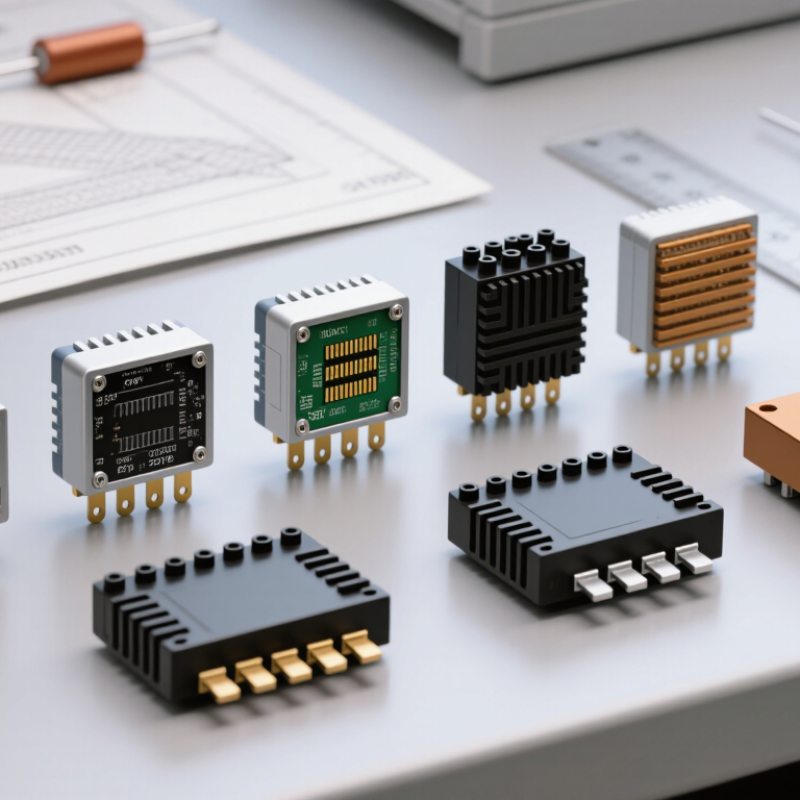
What Sixteenth-Brick DC-DC Converters Are and How They Work
A sixteenth-brick DC-DC converter is a compact power module, named for its standardized package size. The format is roughly one-sixteenth the footprint of a full brick, though exact dimensions and pin layouts can vary. Its small case may sit beside other components on a circuit board. The name describes the form factor, not the converter’s power rating or electrical performance.
Inside, switching circuitry rapidly turns the incoming DC voltage on and off. An inductor, or an isolation transformer in some designs, transfers energy; rectifiers and capacitors then smooth the output. A feedback circuit monitors that output and adjusts switching to keep voltage stable as loads change. Some converters provide electrical isolation between input and output; others do not. Check the specification sheet rather than assuming.
Small footprint. Real constraints. Heat still needs somewhere to go. In a real design, engineers check input range, output current, ripple, isolation, and derating at the expected temperature. A module rated for a certain current may deliver less when airflow is poor or nearby parts run hot. Layout matters too: long traces can add noise or voltage drop. The package saves board space, but it does not remove the need to test the finished circuit under its actual load.
Sixteenth-Brick DC–DC Converters: Package Footprint Comparison
A sixteenth-brick converter is a compact, standardized package class. Inside a DC–DC converter, switching circuitry converts the input to a high-frequency signal; regulation and filtering then provide a controlled DC output. Many modules are isolated, but isolation and performance depend on the specific design.
Approximate nominal package footprints shown for format comparison; actual dimensions vary by module and manufacturer. Check the individual datasheet before designing a board.
Key Electrical and Mechanical Specifications to Understand
A sixteenth-brick converter saves board space, but its small case can limit heat removal. Common footprints are about 0.9 × 1.3 inches; verify dimensions, pin locations, and component height against the actual drawing. Check the input-voltage range, output voltage, rated current, isolation rating, and regulation limits. Efficiency figures need context: compare them at the load your system will actually use, not only at peak efficiency. Small differences matter.
For 48 V systems, the Open Compute Project’s rack documentation describes 48 V power distribution. At equal power and cable resistance, basic I²R calculations show that using 48 V instead of 12 V reduces idealized cable losses to one-sixteenth. That does not guarantee lower total system losses; converter efficiency and wiring still matter. Review ripple, transient response, protection thresholds, and thermal derating curves. A rating measured with strong airflow may not hold inside a sealed enclosure.
Tips: Leave airflow around the module, and check the manufacturer’s derating curve at your real ambient temperature. Confirm creepage, clearance, and mounting details in the datasheet. I have seen compact layouts look fine on paper, then run hotter than expected. A quick thermal test can catch that.
7 Best Sixteenth Brick DC-DC Converters for Buyers - Key Electrical and Mechanical Specifications to Understand
The entries below are representative sixteenth-brick design profiles, not specifications for particular products. Actual ratings, dimensions, isolation, and thermal performance vary by converter; confirm them in the relevant datasheet.
| Selection profile |
Nominal input |
Input range |
Output |
Rated power |
Rated output current |
Representative efficiency |
Mechanical / design notes |
| Wide-input bus to 12 V |
48 V DC |
36–75 V DC |
12 V DC |
100 W |
8.33 A |
About 90–94% |
Compact isolated-brick format; airflow and heat spreading may be needed at full load. |
| Wide-input bus to 5 V |
48 V DC |
36–75 V DC |
5 V DC |
75 W |
15 A |
About 88–93% |
High output current calls for low-resistance PCB traces and careful connector selection. |
| Wide-input bus to 3.3 V |
48 V DC |
36–75 V DC |
3.3 V DC |
75 W |
22.7 A |
About 87–92% |
Very high current makes copper area, airflow, and voltage drop important design considerations. |
| 24 V system to 12 V |
24 V DC |
18–36 V DC |
12 V DC |
50 W |
4.17 A |
About 90–94% |
Useful for intermediate-bus conversion; check the input range against system transients. |
| 24 V system to 5 V |
24 V DC |
18–36 V DC |
5 V DC |
50 W |
10 A |
About 88–93% |
Allow for output ripple and load transients when powering digital or communication circuits. |
| 12 V system to 5 V |
12 V DC |
9–18 V DC |
5 V DC |
30 W |
6 A |
About 88–93% |
Verify the minimum input voltage under startup and low-line conditions. |
| 48 V bus to 1 V high-current rail |
48 V DC |
36–75 V DC |
1 V DC |
100 W |
100 A |
About 85–91% |
Extreme output current requires very low-impedance connections, substantial copper, and thermal planning. |
Sixteenth-brick packages are commonly around 1.3 × 0.9 inches in footprint, but height and pin layout are not universal. Confirm package dimensions, pinout, isolation rating, protection features, operating temperature, derating curves, and cooling requirements before selection.
How to Choose a Converter for Your Power System
Choosing a sixteenth-brick DC-DC converter begins with your system’s real limits, not the smallest footprint on a catalog page. Record the minimum and maximum input voltage, required output voltage, continuous load, and peak current. Leave room for startup surges and sudden load changes; a converter that barely meets steady demand may reset when a processor wakes. Measure twice.
Check whether the design needs electrical isolation, remote enable, or a particular control response. Compare efficiency at your actual operating load, not only the headline figure. Even a small efficiency loss becomes heat inside a sealed enclosure. Check the thermal derating curves, then consider airflow, nearby components, and the copper area available for heat spreading. A compact module can fit neatly and still run too hot.
Review output ripple, transient response, and protection features against the requirements of the equipment being powered. Confirm that the input range covers battery variation or upstream supply dips, and that the output tolerance suits sensitive loads. Read the datasheet carefully; mounting and pinout details are easy to overlook. There is rarely a perfect choice. Sometimes a slightly larger converter is the more dependable one.
Seven Notable Sixteenth-Brick DC-DC Converter Options
Seven notable sixteenth-brick DC-DC converter options serve different board-level needs. A 48 V-input model suits telecom and server rails; a 12 V-input model fits legacy distribution. An isolated converter separates input and output grounds, while a non-isolated type can save space and conversion stages. High-current, low-voltage versions support processors and accelerators. Wide-input models tolerate changing supply conditions. Digitally monitored units report temperature, current, and faults. A seventh option prioritizes high efficiency at the load’s usual operating point, rather than only at peak output. Small details matter: a sixteenth-brick footprint is roughly 33 by 23 millimeters, so connector clearance and airflow can decide the fit.
Efficiency deserves close attention. Lawrence Berkeley National Laboratory’s 2024 United States Data Center Energy Usage Report estimates U.S. data centers used 176 TWh in 2023, with demand potentially reaching 325–580 TWh by 2028. That projection makes conversion losses harder to ignore. Compare efficiency curves at realistic loads, not just headline peaks. Check derating data, isolation requirements, cooling conditions, and protection behavior before choosing. A converter that performs well on paper may run hot behind a crowded heat sink. Slightly inconvenient, but worth checking. Also verify whether telemetry and remote adjustment are genuinely needed; extra features can add integration work without improving every design.
Comparing Converter Features for Different Buyer Needs
A sixteenth-brick converter suits tightly packed boards, but the best choice depends on load, cooling, and layout. The common footprint is about 33 by 23 millimeters, leaving little room for airflow or oversized components. Check continuous output current, input range, isolation rating, and operating temperature—not just peak efficiency. For a high-current processor rail, low output ripple and fast transient response matter. For a battery-fed device, a wide input range may be more useful. Small details count.
Compare seven buyer needs: compact footprint, high power density, wide input range, strong isolation, low noise, thermal headroom, and ease of integration. A converter’s rated output can fall when ambient temperature rises or airflow weakens. Read derating curves; test the module near neighboring heat sources. The U.S. Department of Energy’s 2024 data-center energy report estimates that data centers used 4.4% of national electricity in 2023, underscoring why conversion losses deserve attention. Efficiency numbers alone can mislead, though: compare performance at your actual input voltage and load.
For noise-sensitive measurement boards, review switching frequency and filtering requirements before selecting a module. For field equipment, prioritize fault protection and temperature limits. Verify the pinout and footprint against the PCB layout, then confirm startup behavior with the real load. Datasheets do not replace bench testing. Even a well-specified converter may need more cooling than expected.
Conclusion
Sixteenth Brick DC-DC Converters are compact power modules designed to convert one DC voltage level into another while fitting a standardized, space-saving form factor. Understanding how they regulate voltage and manage heat helps buyers assess whether a converter suits a particular system. Important specifications include input and output voltage ranges, rated power, efficiency, isolation, operating temperature, cooling requirements, and mechanical dimensions. Together, these details indicate how reliably a unit can perform under real operating conditions.
Choosing the right converter means matching its electrical capabilities and physical design to the demands of the power system, including available space, load requirements, and thermal limits. This overview considers seven notable converter options and compares their features for different buyer needs, helping readers weigh performance, integration, and practical trade-offs. By focusing on system requirements rather than a single specification, buyers can identify a suitable solution for their application.